Abstract:
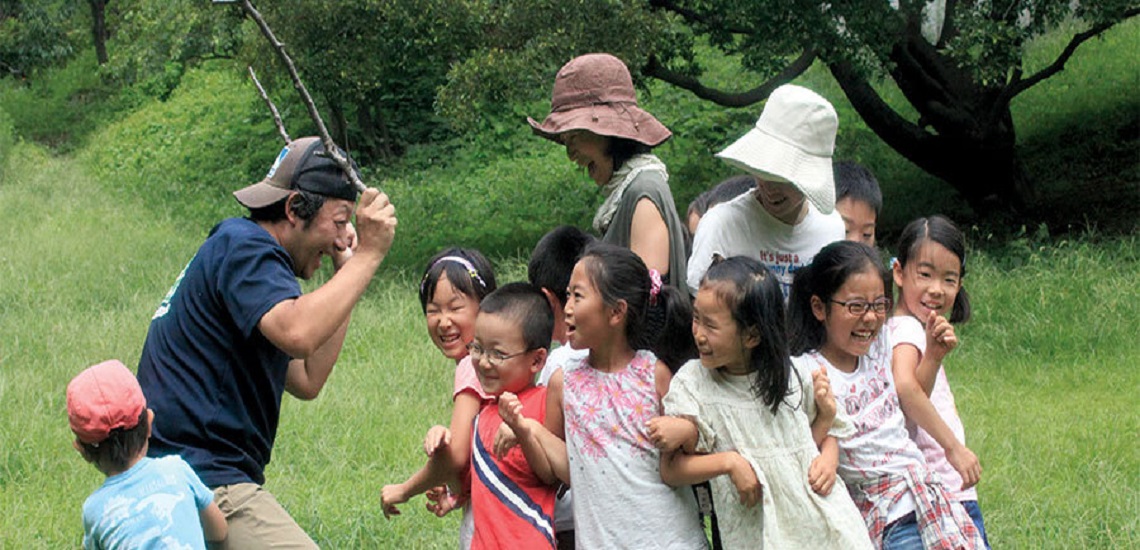
The core argument of this study is to promote a paradigm shift in early childhood nature education, shifting the focus from traditional outdoor time/frequency of exposure to psychological levels of nature connection, and viewing this as the core goal of early childhood nature education. First, exploration of the family ecosystem revealed that supportive parental attitudes (such as embracing outdoor risks and messiness) significantly predict higher levels of children’s nature connection. Crucially, nature connection mediates the relationship between parental attitudes and children’s developmental outcomes. Second, to address the subjective bias inherent in parent-reported natural connection data from previous studies, subsequent research achieved a methodological breakthrough by developing a localized self-assessment tool for early childhood natural connection with strong reliability and validity. Tailored to preschoolers’ limited literacy and weak abstract thinking, this tool employs a “gamified assessment” approach. It uses innovative formats like concrete scenario images to transform the measurement process itself into a natural play experience. Finally, shifting focus to the school ecosystem, the study uncovered cognitive biases and practical barriers among frontline teachers. This misalignment of perceived value undermines the efficacy of nature play in fostering nature connection. In summary, nature connection remains the core objective. Only through simultaneous shifts in parental attitudes and enhancements in teacher cognition can nature play truly fulfill its potential.
Speaker: Assoc. Prof. Junqing Zhai
Affiliation: College of Education, Zhejiang University
Time: 4:30 PM, Tuesday, December 30, 2025
Venue: Offline: The Conference Hall in XTBG
Online: Tencent Meeting ID: 475 469 997


