Abstract:
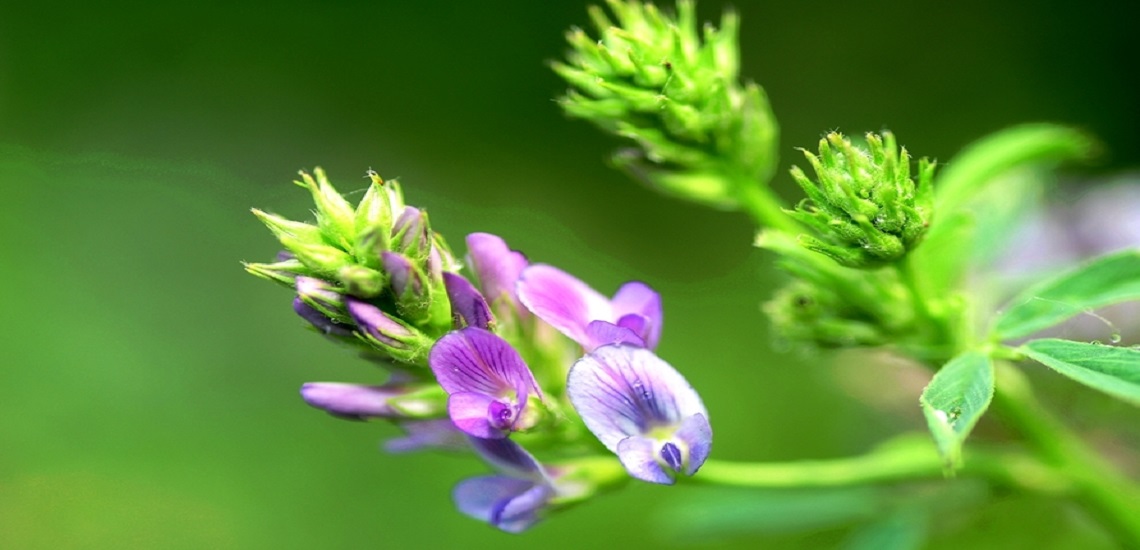
Soybean is a primary source of plant protein and oil for humans and livestock. A strong negative correlation between grain yield and protein content severely limits the breeding of high‑yield and high‑protein soybean cultivars. Using QTL fine‑mapping, we identified LSB1 as a negative regulator of soybean branching and elucidated its molecular regulatory mechanism. LSB1 mutation breaks the negative correlation between yield and protein content, allowing simultaneous enhancement of both traits. Introgression of the favorable LSB1 allele into the elite variety Hefeng 55 significantly improved yield and protein content. High‑density planting induces shade‑avoidance syndrome and reduces branching. We identified a shade‑insensitive mutant tms1 with increased branching and yield. Map‑based cloning revealed TMS1 as a negative regulator of soybean branching. Introduction of the favorable TMS1 allele into Hefeng 55 significantly increased yield. These results offer valuable genes and genetic resources for breeding multi‑branched, high‑yield soybean cultivars adapted to dense planting. Alfalfa is a high‑quality forage known as the “King of Forages”. China faces a severe alfalfa supply shortage with rapidly growing imports, while the lack of elite cultivars and inefficient breeding methods restrict variety improvement. We therefore developed molecular marker‑assisted breeding technologies for alfalfa.
Speaker: Prof. Jingbo Jin
Affiliation: Institute of Botany, Chinese Academy of Sciences
Time: 16:30–17:30, Tuesday, Apr. 14, 2026
Venue: Offline: Meeting Room 1-24, Southwest Biodiversity Laboratory
Online: Tencent Meeting ID: 412 789 011


